
Origins · · 1 min read
From Garden to Cup
Why the best tea begins on a hillside, long before it is blended — and what whole leaves change in your cup.

Every cup of tea begins as a living plant. Black, green and oolong all come from the same evergreen, Camellia sinensis; what changes their character is where it grows, how it is picked and what happens to the leaves afterwards.
Picked by hand
The finest teas are plucked by hand — usually the top two leaves and a bud, the youngest and most tender growth. It is slow, skilled work, and it's the reason whole-leaf tea tastes brighter and cleaner than the machine-cut dust found in most tea bags.

Leaves, not dust
Whole leaves keep their essential oils until they meet hot water. Broken leaves and fannings lose them quickly, which is why they brew fast, dark and often bitter. In the pot, whole leaves unfurl gradually, giving a rounder cup — and often a second steep.
Blended, then packed
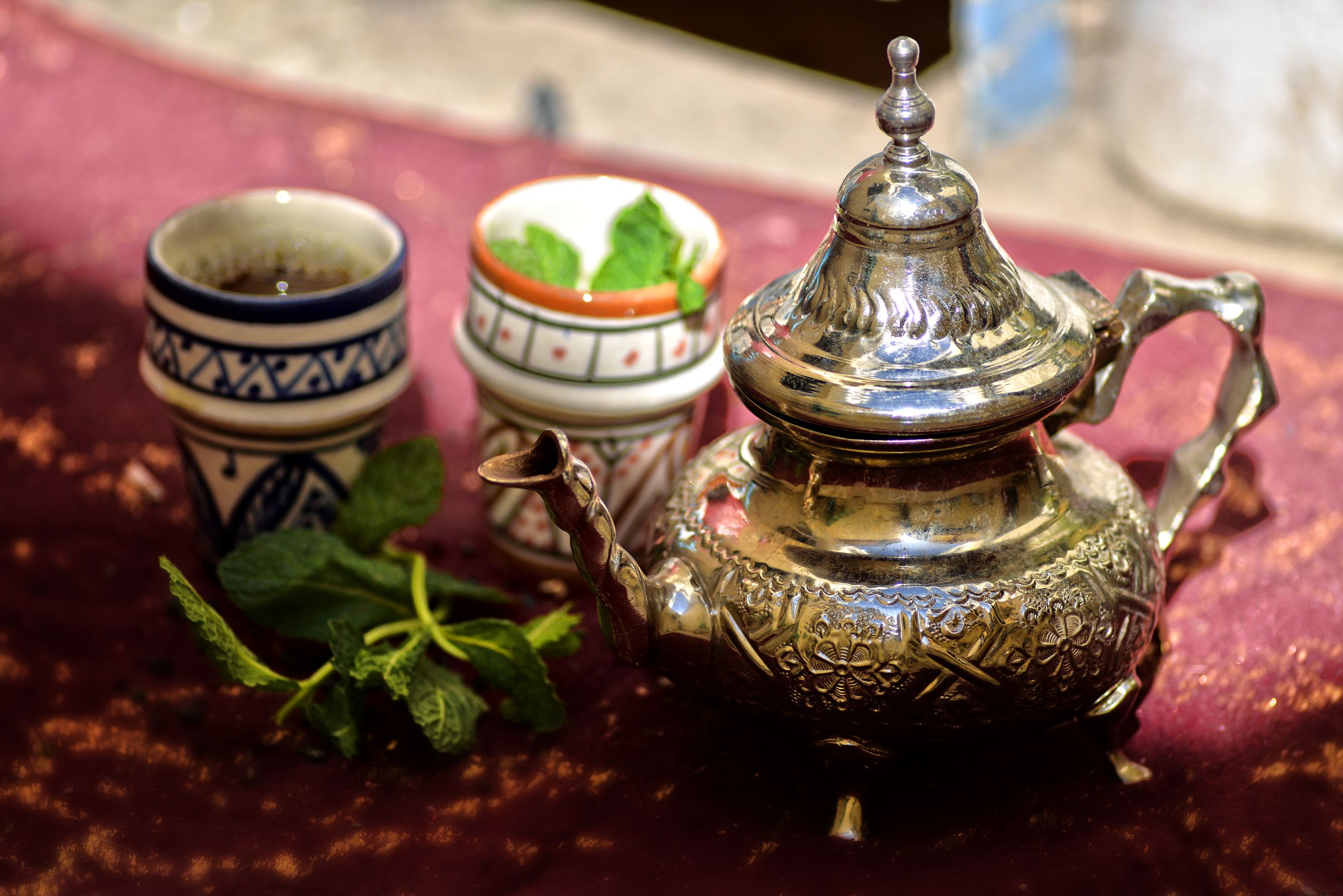
We blend in small batches and pack straight away, adding herbs and flowers dried at their peak — rose, sage, chamomile, mint. Nothing waits in a warehouse, so the leaves reach you as fragrant as the day they were blended.